Ceylon Cinnamon
セイロンシナモン
Delicate, aromatic true cinnamon from Sri Lanka's southern coast, the world's finest.
About Ceylon Cinnamon
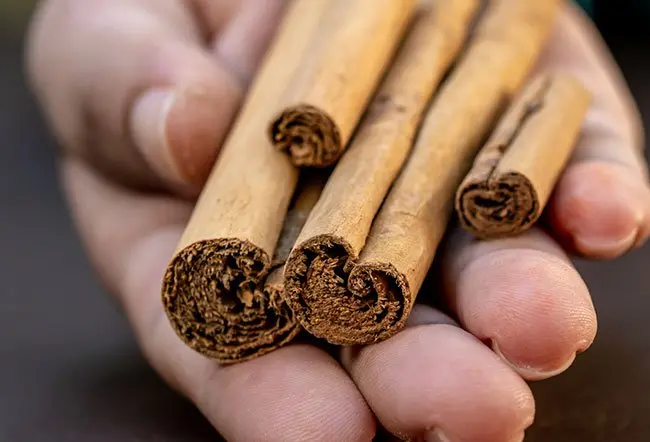
Ceylon cinnamon, known as “true cinnamon” (Cinnamomum verum), is native to Sri Lanka and has been traded globally for thousands of years. The finest quality sticks are harvested in the Galle District along Sri Lanka’s southern coast, where the tropical climate, coastal humidity, and laterite soils produce bark with an exceptionally delicate aroma and complex flavour profile. Unlike the more commonly available cassia cinnamon, Ceylon cinnamon has thin, papery layers that can be easily crumbled by hand, a lighter tan colour, and a subtly sweet taste with citrus and floral notes rather than the harsh, fiery bite of cassia. Sri Lanka produces over 80% of the world’s true cinnamon supply.
Culinary Uses
In Sri Lankan cuisine, cinnamon is a foundational spice used in both savoury and sweet dishes. It is a key component of “thuna paha” (roasted curry powder), where cinnamon sticks are dry-roasted alongside coriander, cumin, fennel, and other spices before being ground together. Whole cinnamon sticks are dropped into curries, rice pilafs, and biryanis to impart a warm, aromatic base note. In sweet preparations, cinnamon flavours “watalappam,” a rich coconut custard pudding of Malay origin, and “kevum,” traditional oil cakes served during the Sinhala New Year.
Japanese cooks will find Ceylon cinnamon to be a refined upgrade for any recipe calling for cinnamon. Its gentle sweetness enhances nikujaga (meat and potato stew) when a small stick is added during simmering. It pairs beautifully with Japanese sweets such as cinnamon-dusted yatsuhashi from Kyoto, apple and cinnamon flavoured dorayaki, or warm amazake spiced with a pinch of ground Ceylon cinnamon. The spice also complements Japanese curry roux, adding a fragrant warmth that rounds out the flavour. Sprinkled over a cup of hojicha or matcha latte, Ceylon cinnamon adds an elegant aromatic layer without overpowering the tea.
Nutritional Benefits
Ceylon cinnamon is valued not only for its flavour but also for its health properties. It contains cinnamaldehyde, an active compound with potent anti-inflammatory and antimicrobial effects. Importantly, Ceylon cinnamon has significantly lower levels of coumarin compared to cassia cinnamon, making it safer for regular consumption. Studies have shown that cinnamon may help regulate blood sugar levels, improve insulin sensitivity, and support cardiovascular health. It is also a source of manganese, calcium, and iron, and its essential oils have demonstrated antioxidant activity.