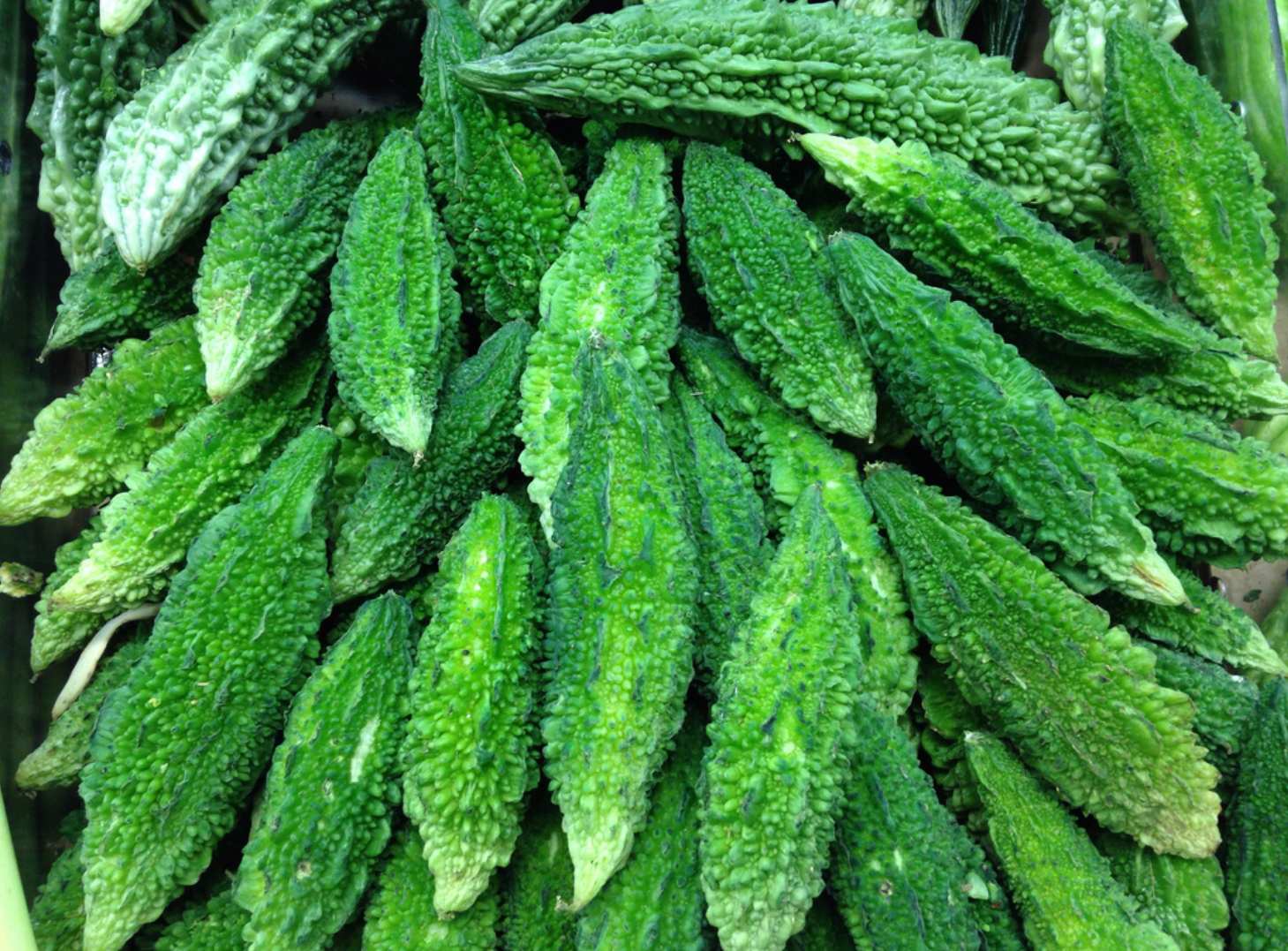
Bitter Gourd (Karawila)
ゴーヤ(カラウィラ)
Crunchy, intensely bitter gourd valued in both Sri Lankan and Okinawan cuisines.
About Bitter Gourd (Karawila)
Bitter gourd, known as “karawila” in Sinhala, is one of the most distinctive vegetables in tropical cooking. Cultivated in the Kurunegala District of Sri Lanka’s North Western Province, these gourds develop a pronounced bitterness and firm, crunchy texture that is highly prized in traditional cuisine. The Sri Lankan variety features a dark green, ridged skin with a narrower shape compared to the Chinese or Indian types. While the bitterness can be surprising to newcomers, it is precisely this quality that makes the vegetable so valued for its digestive and medicinal properties across Asian cultures.
Culinary Uses
Sri Lankan cooks prepare karawila in numerous ways. The most iconic dish is “karawila sambol,” where thinly sliced rounds are deep-fried until crispy and then tossed with onions, chili flakes, Maldive fish, and lime juice. Another beloved preparation is “karawila curry,” a coconut milk-based dish tempered with mustard seeds, curry leaves, and fenugreek. To reduce bitterness, the sliced gourd is often rubbed with salt and turmeric, then left to rest before rinsing and cooking. Stuffed bitter gourd with spiced onion and coconut filling is a festive delicacy.
Japanese home cooks will recognize this vegetable as “goya,” the star ingredient of Okinawa’s famous “goya champuru” (stir-fry). Sri Lankan bitter gourd works beautifully in this preparation, stir-fried with tofu, egg, and pork belly, seasoned with soy sauce and dashi. It can also be thinly sliced and deep-fried as goya chips, pickled in rice vinegar for a refreshing tsukemono, or added to kakiage tempura for a pleasantly bitter contrast. The Sri Lankan variety’s firmer texture holds up particularly well in stir-fries and tempura.
Nutritional Benefits
Bitter gourd is renowned for its blood sugar-regulating properties, containing charantin and polypeptide-p, compounds that mimic insulin’s action. It is exceptionally rich in vitamin C, providing more than twice the amount found in lemons per serving. The vegetable also supplies significant amounts of iron, zinc, potassium, and B vitamins. Its high fibre content supports digestive health, and its low calorie count makes it an ideal choice for health-conscious diets.
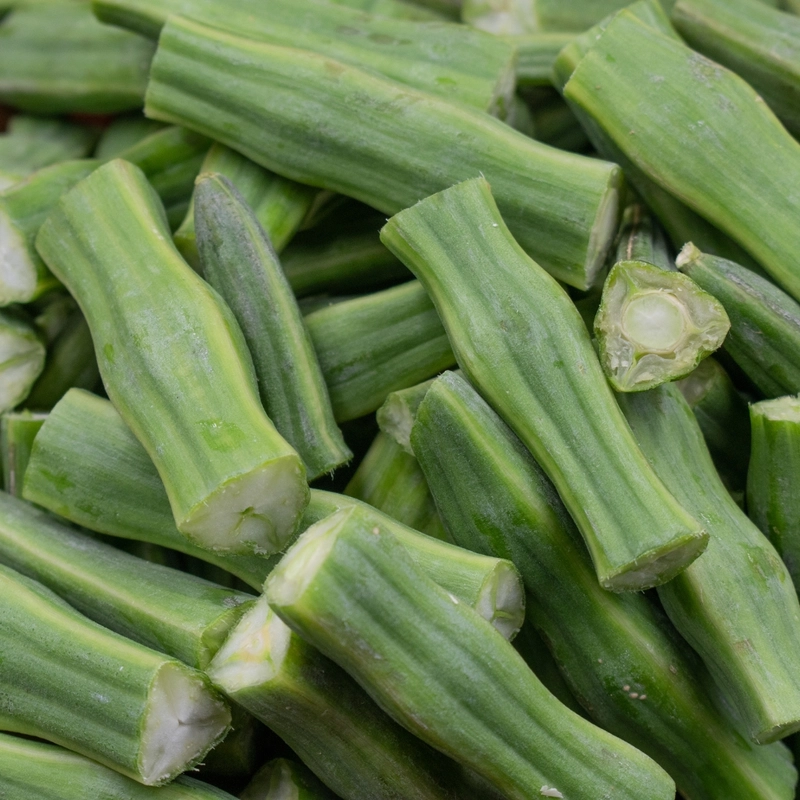
Drumstick / Moringa
モリンガ
Tender moringa drumsticks packed with nutrients, a superfood staple from Sri Lanka.
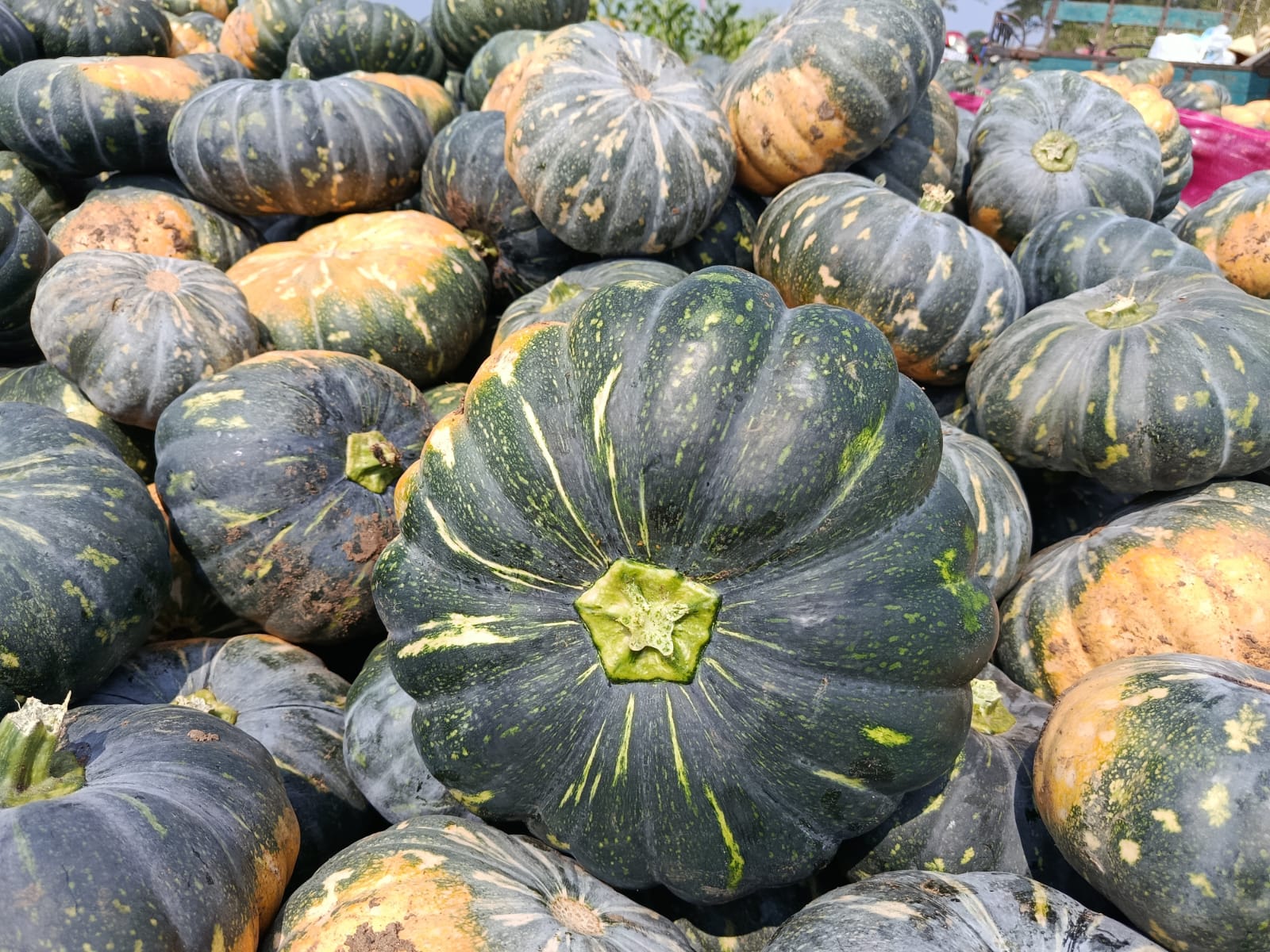
Sri Lankan Pumpkin
スリランカかぼちゃ
Sweet, creamy Sri Lankan pumpkin perfect for curries and tempura.
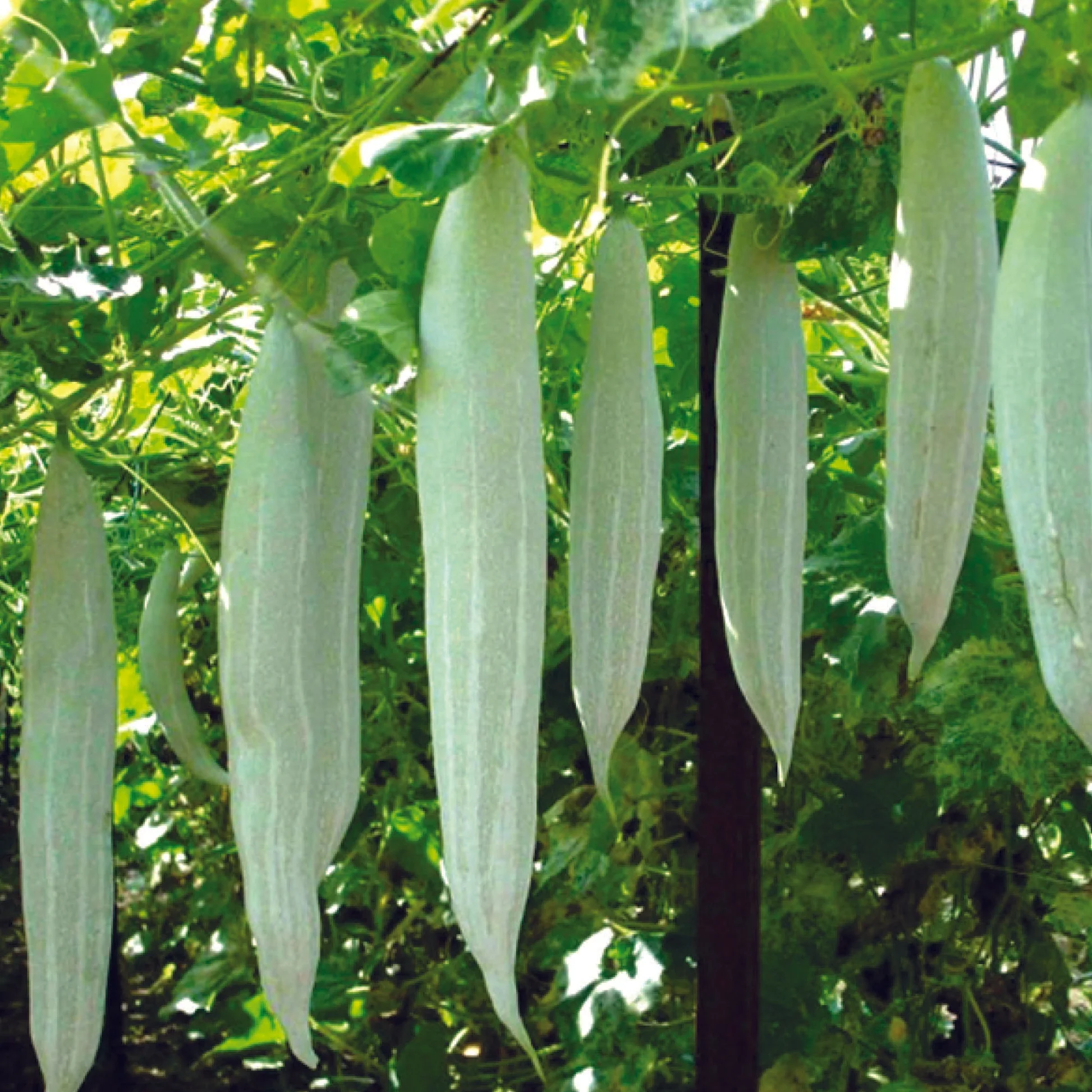
Snake Gourd
ヘビウリ
Long, slender snake gourd with a delicate flavour, ideal for curries and stir-fries.